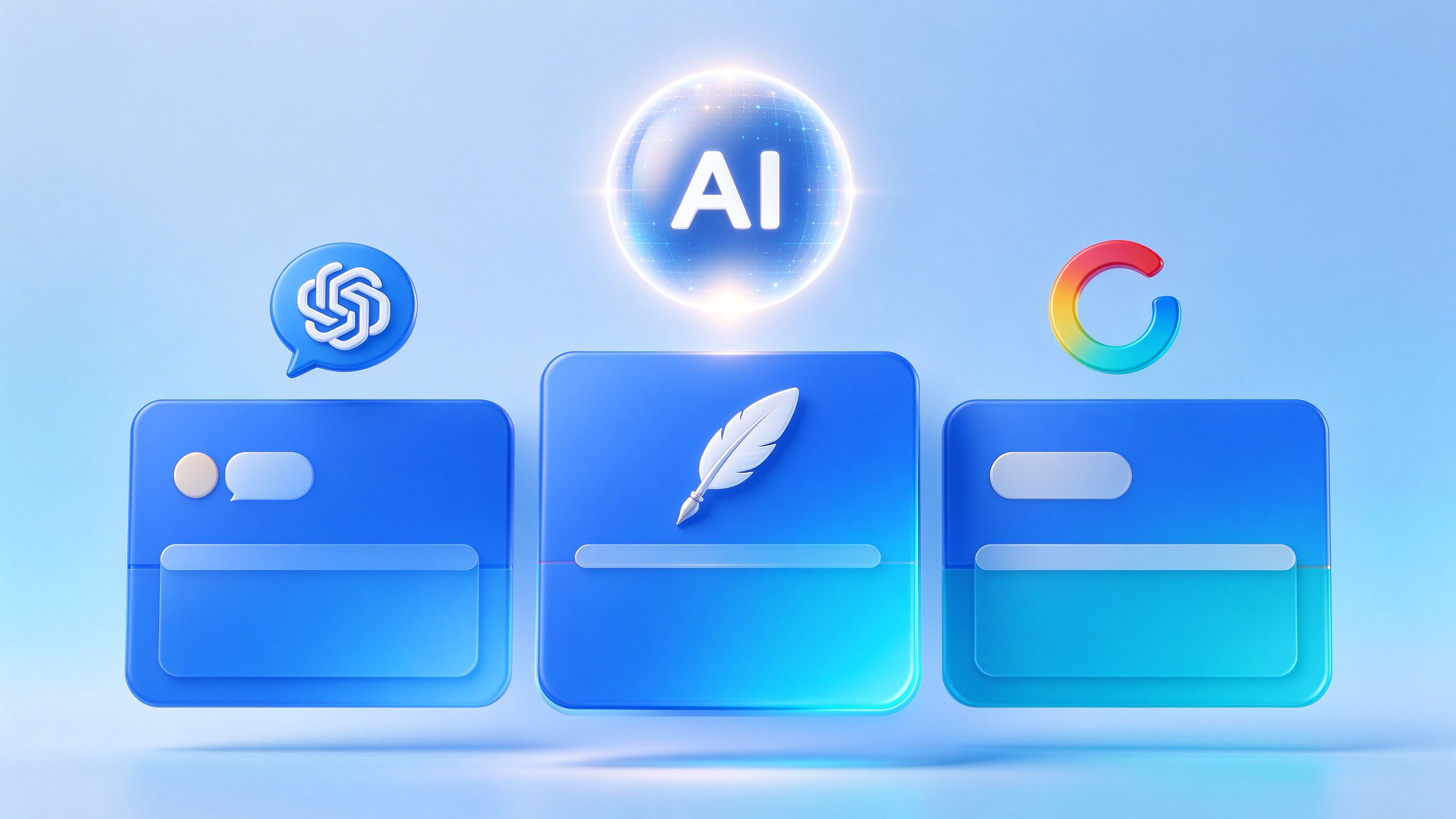
ChatGPT, Claude and Gemini are the three most important AI assistants in the world, and in 2026 all three are excellent. Which one is best depends on the job in front of you. Below is how GPT-5.6, Claude Opus 4.8 and Gemini 3.1 Pro compare on the things that decide it.
The short version
ChatGPT covers the widest range of jobs and has the richest plugin ecosystem. Claude produces the best writing and excels at coding and long documents. Gemini gives you the largest context window, the deepest Google Workspace integration and the best value of the three. All three main paid tiers cost $20/month.
Side-by-side comparison
| Dimension | ChatGPT (GPT-5.6) | Claude (Opus 4.8) | Gemini (3.1 Pro) |
|---|---|---|---|
| Best at | Versatility, agents, image & video | Writing quality, coding, long docs | Context size, multimodality, Workspace |
| Context window | ~1M tokens (large) | Large (long-document focused) | Up to 2M tokens: largest |
| Paid price | $20/month | $20/month | $20/month |
| Free tier | Capable, ads in some regions | Yes, no ads | Generous, best free value |
| Writing style | Strong, creative | Best-in-class, most natural | Good, efficient |
| Coding | Very strong + agents | Most accurate on complex projects | Strong, deep Workspace tools |
| Unique edge | Mature agent ecosystem, plugins | Precise instruction adherence | 2M context, native audio/video, cheap API |
ChatGPT: the all-rounder with the biggest ecosystem
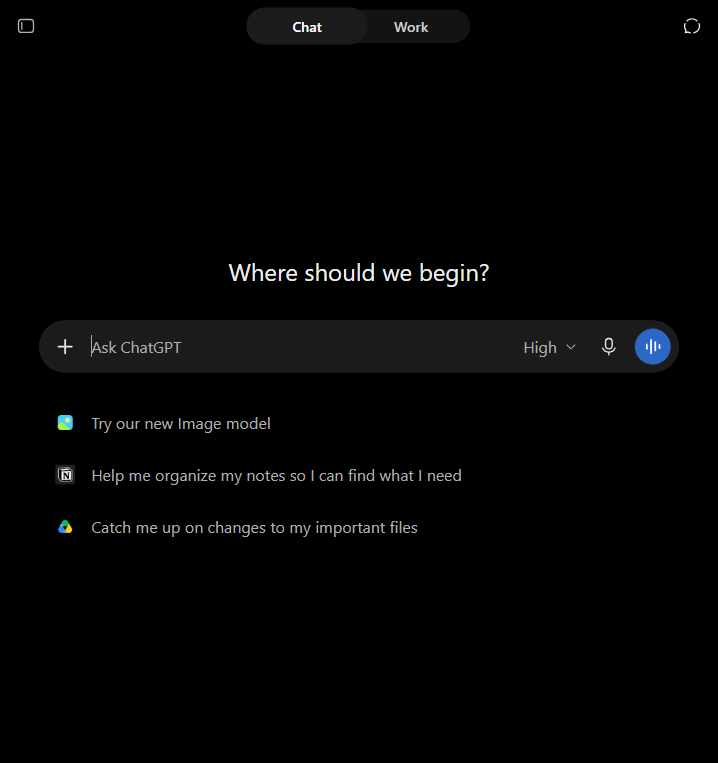
GPT-5.6 keeps ChatGPT ahead on breadth: native image and video generation, voice conversations, file analysis, and the most mature agent and plugin ecosystem. If you want one assistant that handles everything from drafting to research to creative media, ChatGPT is the safest default.
Claude: the specialist's pick for writing and code
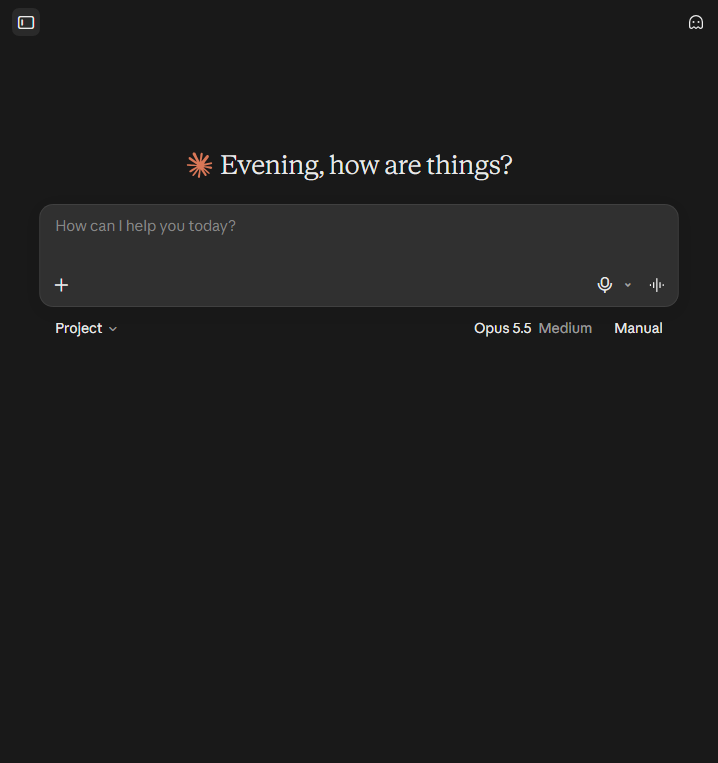
Claude models, especially Opus 4.8, top independent quality indexes for careful reasoning, long-document writing and complex multi-file coding. Claude also stays ad-free even on the free tier, which writers appreciate. Pick Claude when precision and prose quality matter more than breadth.
Gemini: the value and multimodality champion
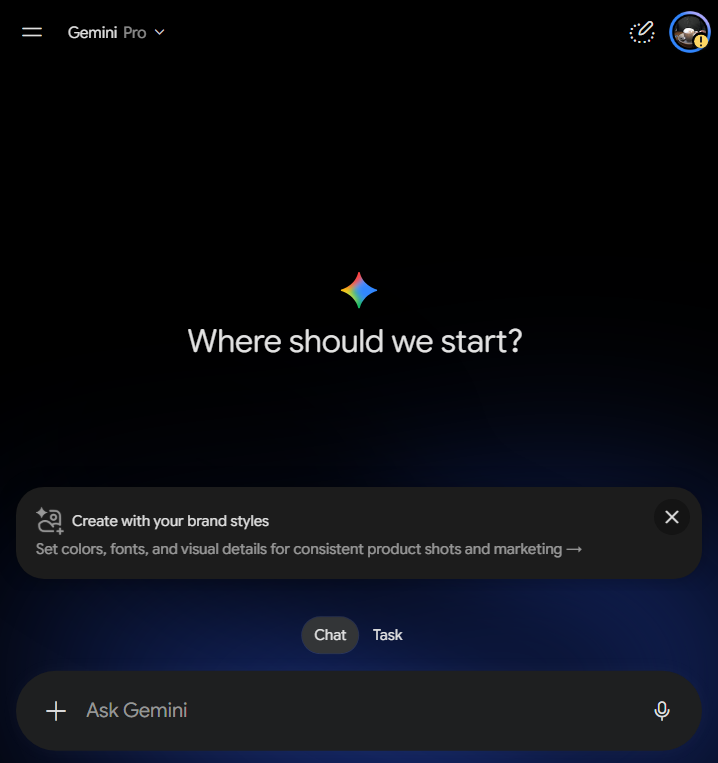
Gemini 3.1 Pro offers the largest context window (up to 2M tokens: entire codebases or book-length documents in one go), native audio/video understanding, the most generous free tier, and the cheapest API pricing. If you live in Google Workspace (Docs, Gmail, Sheets), Gemini's integration is unmatched.
Claude Duet: the agent that keeps working after you close the laptop
Claude has one thing the other two do not: Duet, a proactive agent that opened a research-preview waitlist on October 21, 2026. It sends you a morning brief of what needs attention in your email and calendar, drafts replies for you to approve, and turns scattered material into a brief, deck or dashboard. It runs Claude Opus 5.5 inside its own virtual machine with a browser, so it keeps working while your device is off.
- Available to Claude Pro and Max subscribers in the US only, waitlist based. Team and Enterprise plans are not included yet.
- No extra fee during the preview, but Duet's background work counts against the usage limits of your existing plan.
- Anthropic says Duet can still misjudge what is urgent, and anything it acts on goes through your approval first.
- It reads only the email and calendar data you authorize, so be careful about what you connect.
If the deciding question is which assistant can act on its own while you are away, Duet is the concrete answer today, with two caveats: the waitlist and the US-only preview.
Which one should you pick?
- One assistant for everything, lots of different tasks → ChatGPT
- Professional writing, editing, careful reasoning → Claude
- Huge documents, Google Workspace, best free value → Gemini
- Developer on complex multi-file codebases → Claude or ChatGPT's agents
- Cheapest way to build on an API → Gemini
A 20-minute test that settles it
Reviews tell you what a model is good at in general. Your work is specific, so run your own test with three real tasks.
- Paste a real document you know well and ask for a one-page summary. Note what it missed.
- Give a messy request with a constraint: under 200 words, no jargon, written for a client. See whether it obeys.
- Ask something whose answer changed recently, and check whether it says it does not know or invents an answer.
- Repeat all three in the other two tools, with the same prompts and the same documents.
Score each out of three: accuracy, instruction-following, honesty about gaps. The tool that wins two of three becomes your default; the others become specialists for the task they won.
Switching costs people forget
- Chat history does not move. Export what matters before you switch.
- Team sharing, connectors and file access differ by plan as much as by model.
- The free tier you leave is often better than the free tier you join.
- Keyboard habits take a week to rebuild, and that week is real time.
Pick one default and stay with it for a quarter. Switching every month costs more attention than any feature difference is worth.
What to do this week
No single assistant wins in 2026. Each of the three is tuned to a different kind of work, which is why the order you try them in matters less than whether you test them on your own tasks. Start on the free tiers, give each a week, and keep the one that fits your most frequent task. For most people, ChatGPT Plus is the safest default; writers lean Claude; Google users lean Gemini.
Official Websites (Avoid Phishing)
Fake and phishing sites often rank high in search results. Only use the official URLs below.